Serving New Orleans in Katrina’s Wake
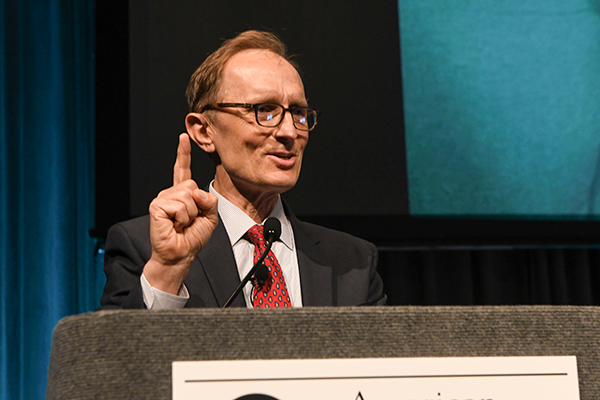
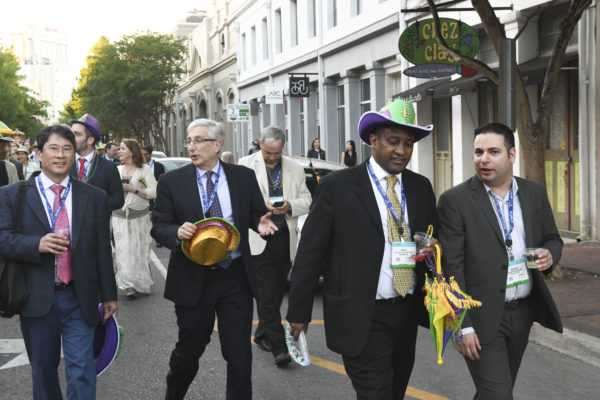
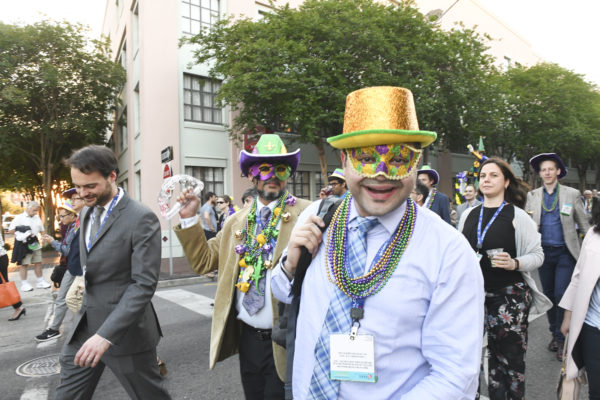
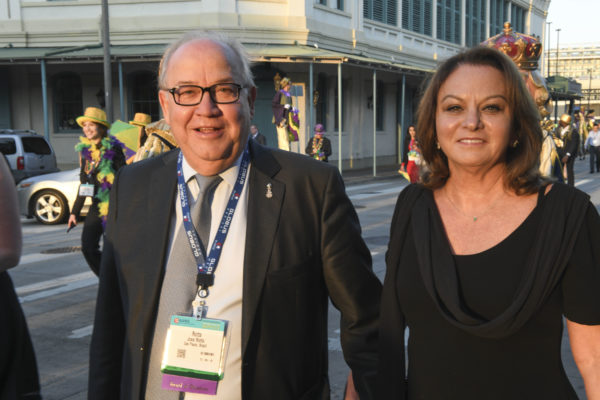
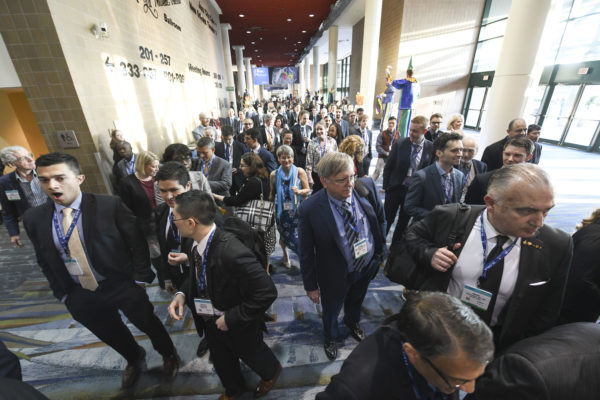
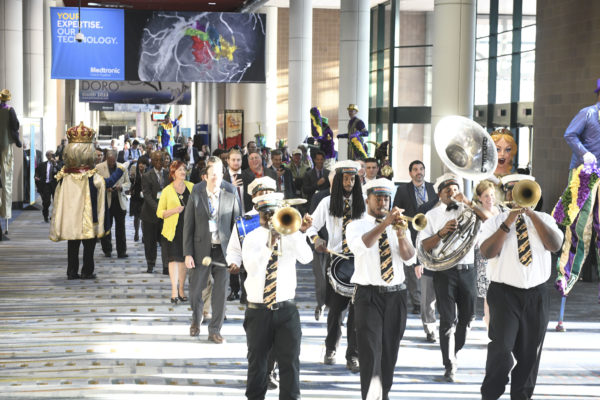
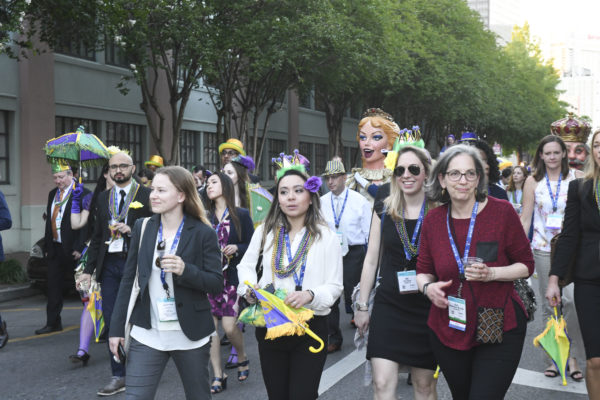
The 2018 Annual Scientific Meeting kicked off with an Opening Ceremony that explored the privilege of service as discussed by a distinguished panel of New Orleans’ leaders who rose to the challenges presented to the area and its residents in the aftermath of Hurricane Katrina. Instructed by the event emcee, Norm Robinson, to “Listen to what is said and not what is between your ears,” attendees listened to the before and after stories of several New Orleans residents who made extraordinary contributions post-Katrina.
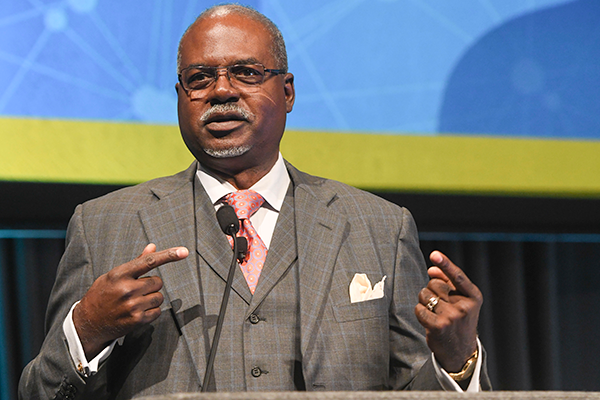
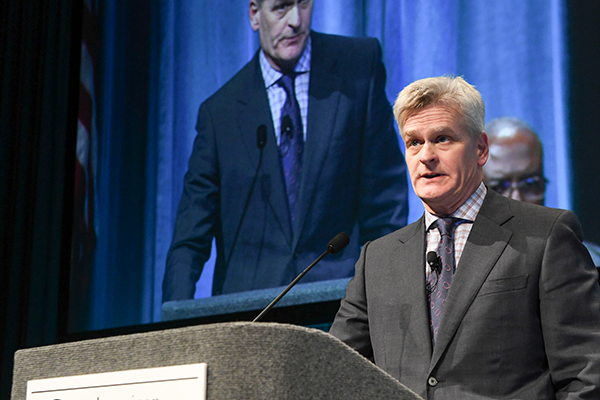
The Honorable Bill Cassidy, MD
United States Senator Bill Cassidy, MD, who was working as a gastroenterologist at the time, led the conversion of an abandoned Kmart into a much-needed surge trauma center to provide health care to evacuees. This experience led Cassidy to change careers and run for public office. He serves today as a U.S. senator. He cautioned the audience to remember to move patient information with the patient when in a disaster situation.
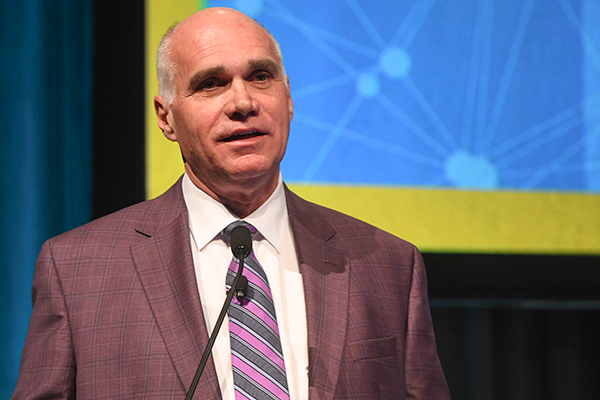
Tommy Cvitanovich
Restauranteur Tommy Cvitanovich and the staff of his family’s restaurant, Drago, fed more than 75,000 people in the weeks that followed Katrina. They cooked the food that was on hand in the restaurant and then organized and prepared food donations that began arriving to the city. His takeaway lessons were practical: communications plans for staff and insurance planning for recovery are essential.
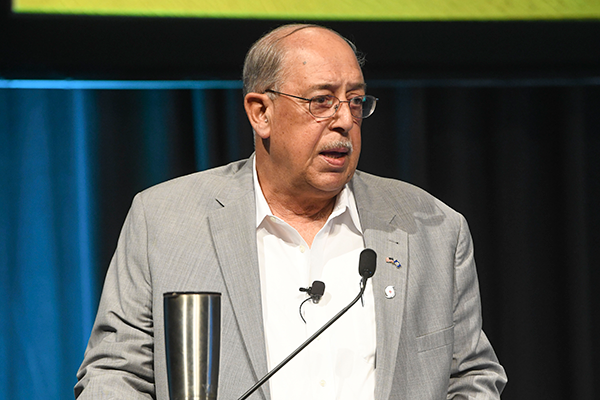
Lt. General Russel L. Honoré
Lt. General Russel L. Honoré served as the commander of the Joint Task Force Katrina. He shared many tips on preparation, reminding the audience, “Mother nature can break anything on any day.” He advocated that, during recovery, security should be deemphasized and efforts focused on saving lives. His motto – Don’t get stuck on stupid – struck a chord with the audience.
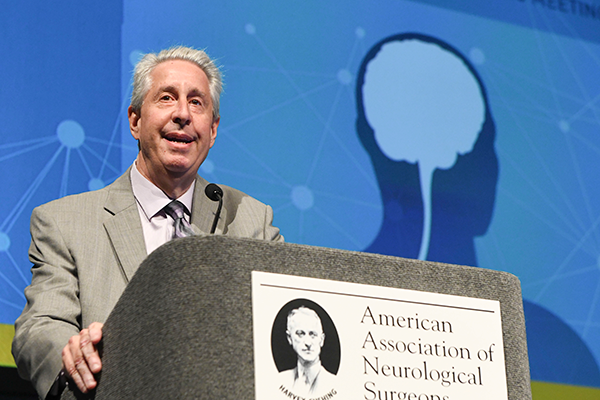
Arnie Fielkow
Local politician, Arnie Fielkow, became president of the Council of New Orleans to help with recovery and lead ‘transformational reform.’ He ran for office to be able to address issues never addressed before: a broken city needing large amounts of cash that had no income post-Katrina. While the city is back, much lower-income housing has not returned, creating issues for those who support the essence of New Orleans, including musicians, artists and those in the hospitality industry.
Bennet deBoisblanc, MD
Bennett deBoisblanc, MD, was at Charity Hospital when the storm hit. He stayed there until all of his patients could be moved, enduring days without electricity, running water and medical supplies in an aging building surrounded and inundated by water. He wanted to share that his experience was not reflected in the national news. He did not see looters and snipers. He saw humanism and people helping people with professionalism and humanity.