
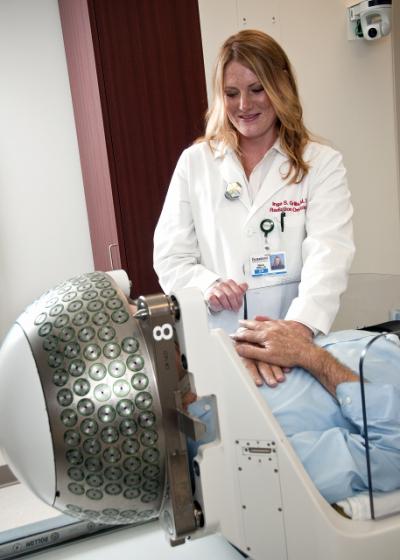
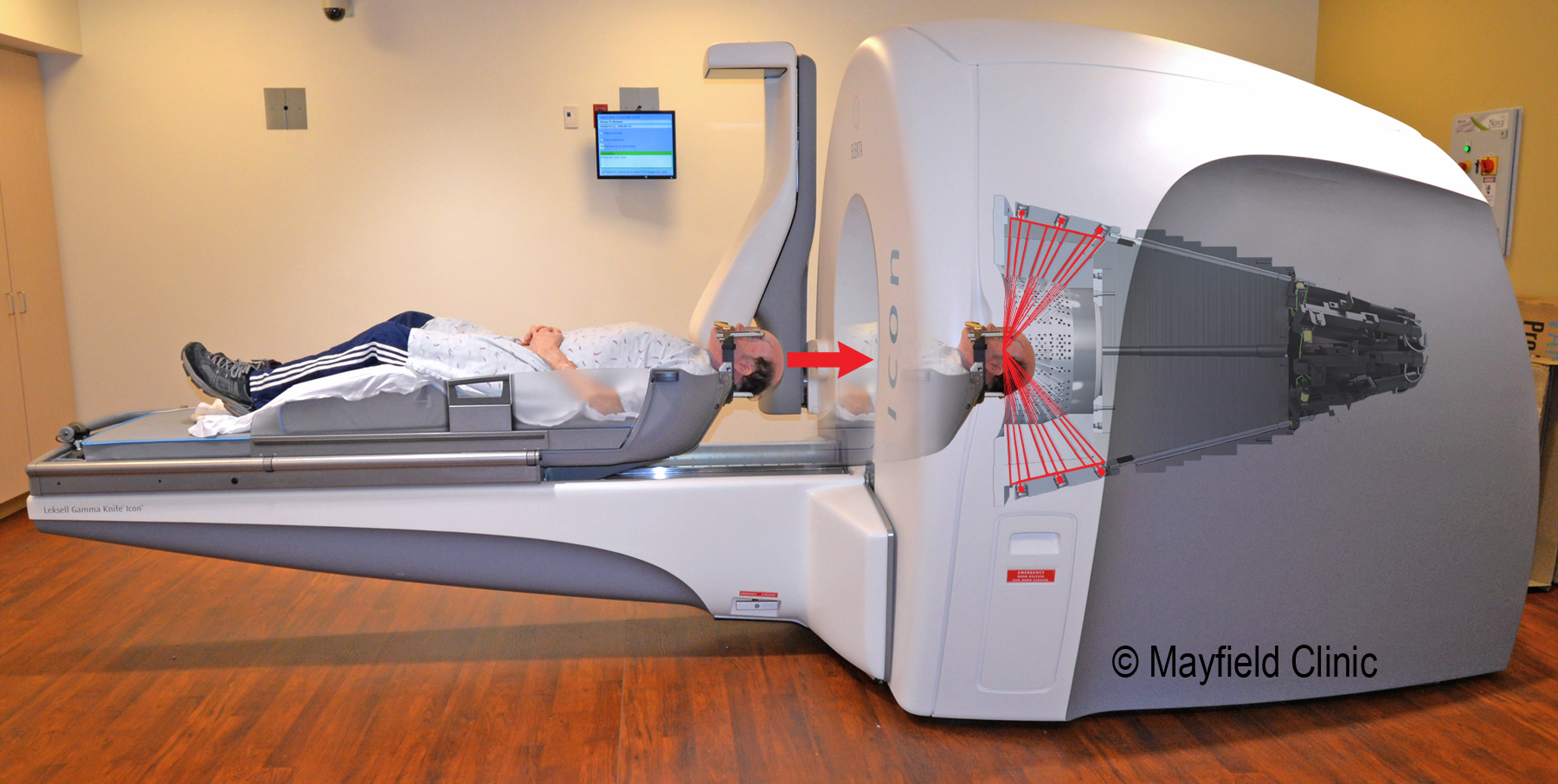
In 2015, the AANS established the Stereotactic Radiosurgery (SRS) Registry to collect data on radiosurgical treatments, thereby enhancing the consistency and quality of clinical outcomes achieved with SRS. As a treatment option, SRS represents a high-technology, multidisciplinary approach to the delivery of ionizing high-dose radiation for a wide variety of disorders, including brain metastases, primary malignant and benign brain tumors and arteriovenous malformations (AVMs). Initial registry plans were devised for a three-year effort encompassing high-volume SRS centers across the country. During the first phase of the program, the registry accrued longitudinal treatment and patient outcomes for more than 2,800 patients, generating real-world evidence for focused quality initiatives and further research.
In December 2018, the NeuroPoint Alliance (NPA) entered into a multi-year agreement with Brainlab to utilize their Quentry for SRS® technology platform to streamline data collection, integrate workflows and enhance the analyses of data collected throughout the sequence of patients’ SRS treatments over time. Through generous financial and in-kind support from Brainlab, the registry features sophisticated, high fidelity data collection capabilities combined with automated analyses of tumor volume and dose-planning parameters designed to support clinical decision-making and improved health care outcomes for patients. The robust technology platform automates the collection and structuring of complex data, thereby eliminating the data entry burden for volumetric and location data, dose distribution for treated lesions and organs at risk and treatment device details. Patient baseline and follow-up data includes lesion volume changes and recurrence, response to treatment, neurological examination findings, patient quality of life, adverse events and survival.
The registry’s Board of Directors is chaired by Jason P. Sheehan, MD, PhD, FAANS, of the University of Virginia Health System. Members of the SRS Board and Scientific Committee include Anthony L. Asher, MD, FAANS, of Carolina Neurosurgery and Spine Associates; Inga S. Grills, MD, of William Beaumont Royal Oaks Medical Center in Michigan; James McInerney, MD, FAANS, of Penn State Milton S. Hershey Medical Center; Nader Pouratian, MD, PhD, FAANS, of the University of California at Los Angeles; and Ronald E. Warnick, MD, FAANS, of Mayfield Mercy Health Jewish Hospital in Ohio.
Under a newly-revised operating model, the NPA serves as the registry’s coordinating center and Brainlab provides technical planning, implementation and product support. The NPA and Brainlab have been working closely with the charter centers, and those who are new to the program, to prepare for the upcoming release of Quentry Cloud Service®. Migration to the new cloud-based registry application will result in notable efficiencies in data access and management, the elimination of local hardware requirements, enhanced analytics and web-based capabilities for collecting patient follow-up information with greater ease.

A recent analysis of aggregated SRS registry data revealed that the largest cohort of patients are those having brain metastases, and the registry proved to be a valuable source of data related to patient and disease characteristics and outcomes. Additional analyses included patient quality of life and factors contributing to local failure. The SRS Registry Board and Scientific Committee are currently completing a review of additional studies in preparation for publication.
Registry Publications
Inception of a national multidisciplinary registry for stereotactic radiosurgery (Journal of Neurosurgery; 2016)
Quality of life outcomes for brain metastasis patients treated with stereotactic radiosurgery: pre-procedural predictive factors from a prospective national registry (Journal of Neurosurgery; 2019)
Manuscripts Accepted to the Journal of Neurosurgery
Quality of life following stereotactic radiosurgery for brain metastases – Impact of demographic, clinical and treatment details on change in EQ-5D scores
Manuscripts In Progress
Local failure after stereotactic radiosurgery (SRS) for intracranial metastasis – impact of demographic, clinical, tumor and treatment characteristics on local failure at last follow-up
In January 2020, SRS registry leadership began to explore an opportunity with the Department of Diagnostic and Interventional Neuroradiology at the University Medical Center in Hamburg-Eppendorf, Germany, to conduct advanced analysis and research on the registry’s sizeable image repository. In support of this unique opportunity, a combination of imaging and related clinical data is being prepared that will incorporate SRS registry data into the University’s image modeling. Their researchers have written extensively on the topic of radiomics and have developed the capabilities to conduct machine learning and analyses of high-end image features.
As of June 2020, the registry has accrued data on over 4,000 patients, represented by more than 5,700 SRS treatments and 14,000 individual data sets. Dr. Ronald E. Warnick, whose hospital is a charter member of the SRS registry, observed:
“The opportunities for the radiosurgery field are boundless when provided with a platform that allows providers to analyze institutional outcomes at this level. Centers can perform their own trend analyses, while refining treatments to the benefit of our patients. Registry participation requires the ongoing commitment of time and resources; however, the benefits have current as well as future value for patients, physicians and the field of neurosurgery in general. Our patients appreciate the degree of care demonstrated by collecting and optimizing their feedback, which is then included as part of their ongoing treatment plan. Physicians can contribute to research and analyses having lasting value, and all members of the care team can focus on improving patient outcomes. Because of this, it is a privilege to be a part of the SRS registry program.”
The registry continues to grow and new participant interest has steadily increased. The NPA wishes to thank the following institutions for their participation in the inaugural phases of the SRS registry and looks forward to their continued contributions.
- Carolina Neurosurgery and Spine Associates
- Duke University Medical Center
- Huntsman Cancer Institute of the University of Utah
- Jefferson Hospital for Neuroscience
- Keck Medical Center of the University of Southern California
- Mayfield Mercy Health Jewish Hospital
- Norton Cancer Institute
- NYU Langone Medical Center
- Penn State Milton S. Hershey Medical Center
- Ronald Reagan UCLA Medical Center
- Semmes-Murphey Neurological & Spine Institute
- The Valley Hospital (New Jersey)
- University of Florida Cancer Center at Orlando Health
- University of Colorado Health
- University of Rochester Medical Center
- University of Texas Southwestern Medical Center
- University of Virginia Health System
- Vanderbilt University Medical Center
- William Beaumont Royal Oak H